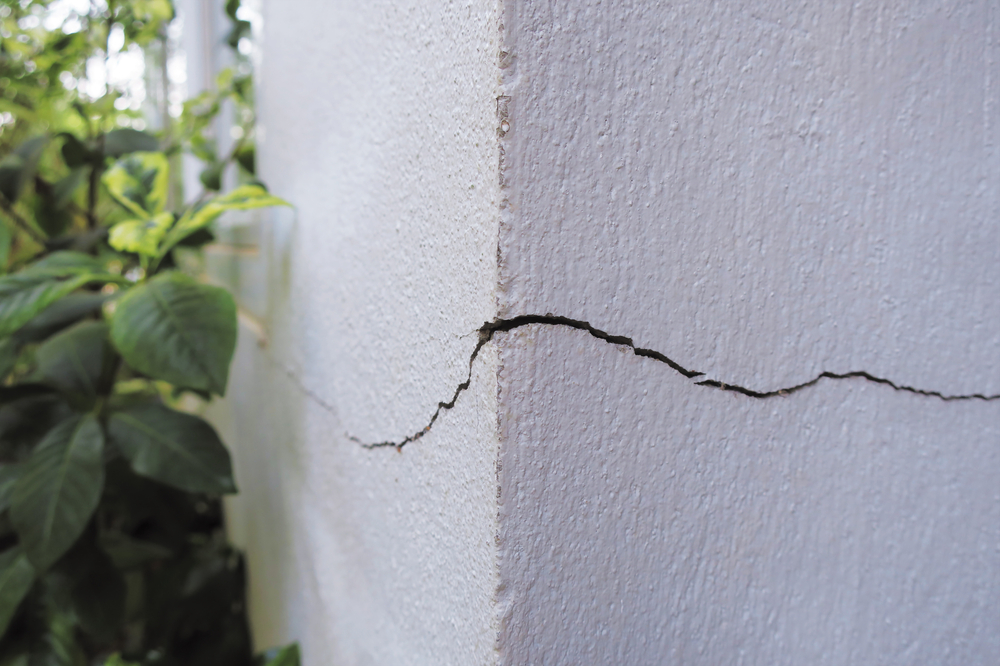
The landlord is responsible for major maintenance, while the tenant is responsible for minor repairs (Article 7:217 Dutch Civil Code).
Major maintenance and rent reduction
The general rule is that the landlord is required to remedy any defects in the property, either on their own initiative or at the tenant’s request (Article 7:206 Dutch Civil Code). A defect is any limitation in the use of the property that is not attributable to the tenant and which the tenant could not reasonably have foreseen. Major maintenance includes, for example, exterior painting or replacing a central heating boiler.
A tenant may claim a rent reduction when their enjoyment of the property is diminished due to a defect and the landlord fails to carry out the necessary repairs. This rent reduction can apply from the date the tenant notified the landlord of the defect until the date it is resolved (Article 7:207 Dutch Civil Code). A tenant cannot claim a rent reduction if the issue concerns a minor repair.
Minor repairs
Minor repairs to the rental property are the tenant’s responsibility. The Decree on Minor Repairs sets out which tasks fall under this category. These include replacing a lightbulb, fixing a tap, interior painting, or replacing a door handle.
The general rule is that the tenant is responsible for minor repairs, unless the repair is necessary due to the landlord’s failure to maintain the property. For example, if a leak goes unresolved and causes damage that requires repainting, the cost should be borne by the landlord.
Deviating agreements
Article 7:217 BW is of a regulatory nature, meaning parties can, in principle, make different arrangements in the tenancy agreement regarding the distribution of maintenance and repair costs. However, this does not apply to residential leases. Article 7:242 BW states that the tenant may not be disadvantaged by deviating from the statutory scheme in Article 7:217, unless the repairs relate to alterations made by the tenant. An example is flooring that has been installed by the tenant. In that case, the costs of maintaining or repairing the floor are the tenant’s responsibility, not the landlord’s.
The Decree on Minor Repairs therefore remains applicable to residential tenancies, and agreements that are detrimental to the tenant cannot be made. Different rules apply to commercial leases, such as retail or office spaces, which are addressed in a separate article.
Conclusion
In principle, the landlord is responsible for maintaining the rental property, with the exception of minor repairs, which fall under the tenant’s responsibility. The landlord must resolve major defects, and tenants can claim a rent reduction if such defects are not addressed in a timely manner. Minor repairs, such as replacing a lightbulb or fixing a tap, are at the tenant’s risk and expense, unless caused by the landlord’s negligence.
More Information
Do you have questions about the division of maintenance responsibilities between landlord and tenant? Please feel free to contact us.