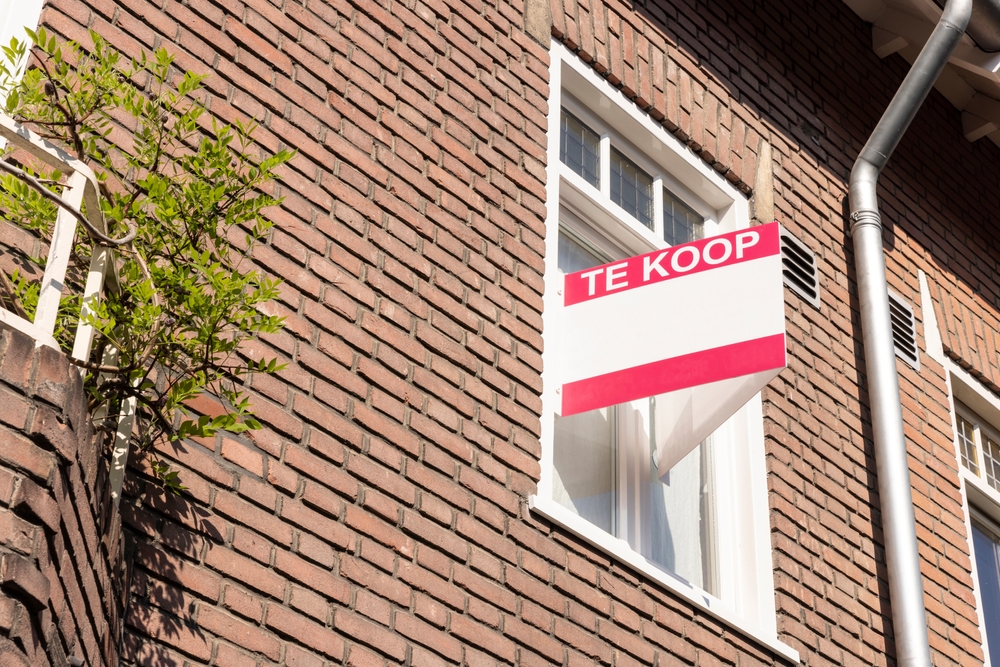
To protect private buyers from impulsive purchases, the law provides for a statutory cooling-off period during which the buyer can withdraw from the purchase. This article explains the statutory cooling-off period and under what conditions it can be invoked.
The cooling-off period
The statutory cooling-off period is set out in Article 7:2(2) of the Dutch Civil Code. This article states that private buyers, who are not acting in the course of their trade or profession (consumers), have the right to a three-day cooling-off period when purchasing a home. The cooling-off period is intended to give buyers the opportunity to consult an expert and to reconsider hasty decisions. The buyer can withdraw from the purchase during the cooling-off period without giving reasons and without any (financial) consequences. This offers an exit route for a buyer who regrets the purchase, realises they cannot secure financing, or wishes to withdraw due to personal circumstances.
Private buyer of a home
As mentioned, the statutory cooling-off period is intended for private buyers who are not acting in the course of their trade or profession. The cooling-off period does not apply to sellers or professional buyers, as they are expected to have had sufficient opportunity to obtain information about the intended purchase. It must also concern the purchase of a residential property or holiday home. If a private buyer purchases a property as an investment or for rental purposes, Article 7:2(2) of the Dutch Civil Code does not apply.
Start and end of the period
The cooling-off period lasts three days. Parties may agree to a longer period but not a shorter one. The period begins at 00:00 on the day after the buyer has received a (copy of the) purchase agreement signed by both the buyer and seller. The buyer then has until 23:59 three days later to cancel the purchase.
Example: if the agreement is signed on Monday and handed to the buyer on Tuesday, the cooling-off period begins at 00:00 on Wednesday and ends at 23:59 on Friday.
If the last day of the cooling-off period falls on a Saturday, Sunday or public holiday, the General Extension of Time Limits Act stipulates that the period is automatically extended to the next working day. This ensures buyers are not disadvantaged by having to act on a non-working day.
Example: if the agreement is handed over on Wednesday, the period would start on Thursday at 00:00 and end on Saturday at 23:59. Because Saturday is not a working day, the period is extended to Monday at 23:59.
The Act also states that at least two of the three days must not be a Saturday, Sunday or public holiday. If not, the period is extended.
Example: if the agreement is handed over on Friday, the period would start on Saturday and end on Monday. As this only includes one working day, the period is extended to Tuesday at 23:59.
Invoking the cooling-off period
The buyer may cancel the purchase during the cooling-off period. Cancellation is not subject to any formalities and does not have to be made in writing. However, most purchase agreements require the cancellation to be made in writing to the seller. It is also advisable to do so in writing to avoid any dispute as to whether the cancellation was made in time. The seller must receive the cancellation before the end of the cooling-off period. At that time, the buyer must not have already acted on the agreement.
If the buyer does not invoke the cooling-off period or does so too late, the agreement becomes final. The buyer can then only withdraw if there are specific contractual clauses, such as a financing or structural survey contingency. For more on contractual contingencies, see this article.
If the buyer invokes the cooling-off period and subsequently enters into another purchase agreement for the same property with the same seller within six months, there is no new right to a cooling-off period for the second agreement.
Conclusion
The statutory cooling-off period is an important protection for private buyers. It gives them the chance to reconsider and prevents impulsive decisions. It is essential for buyers to understand their rights and obligations regarding this period and the conditions for invoking it. Being well-informed allows buyers to make deliberate choices and protect their interests during the purchase process.
More information
Are you a buyer seeking advice on invoking the cooling-off period? Please feel free to contact us.